




Project Lead
Hans Ratmiroff
Juan Pablo Bottaro
Ernesto Perez
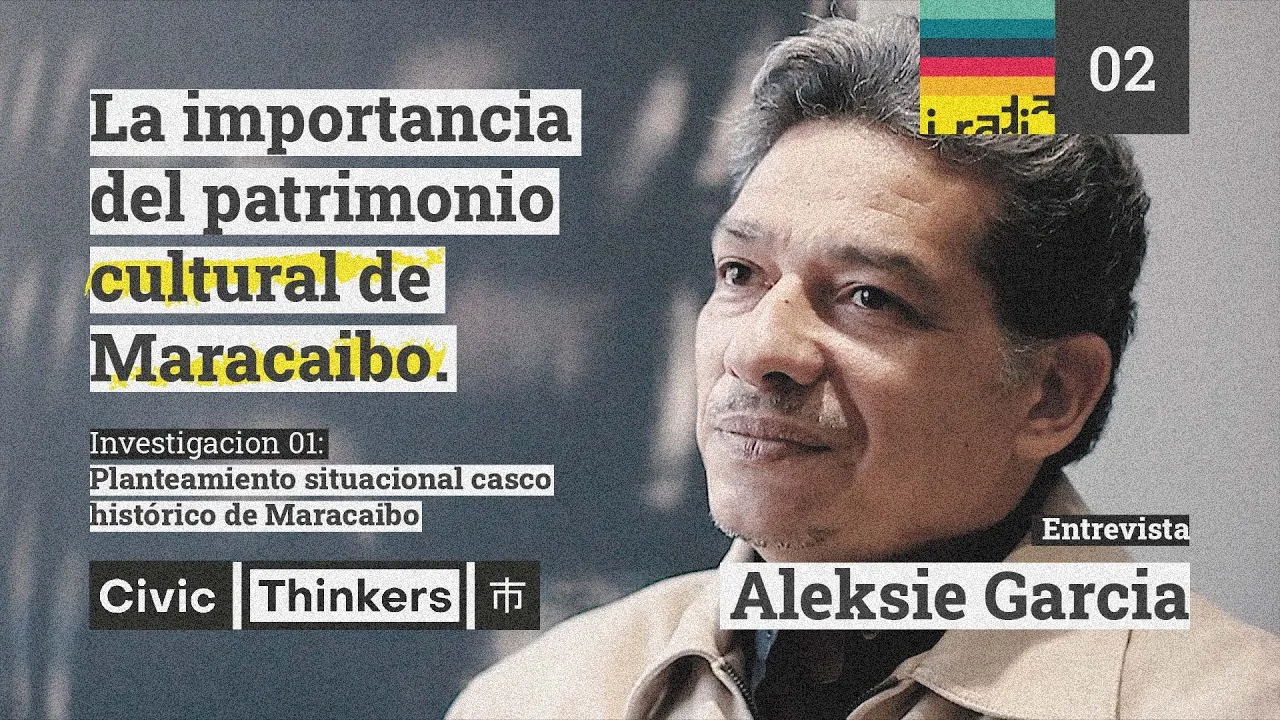
Aleksie Garcia
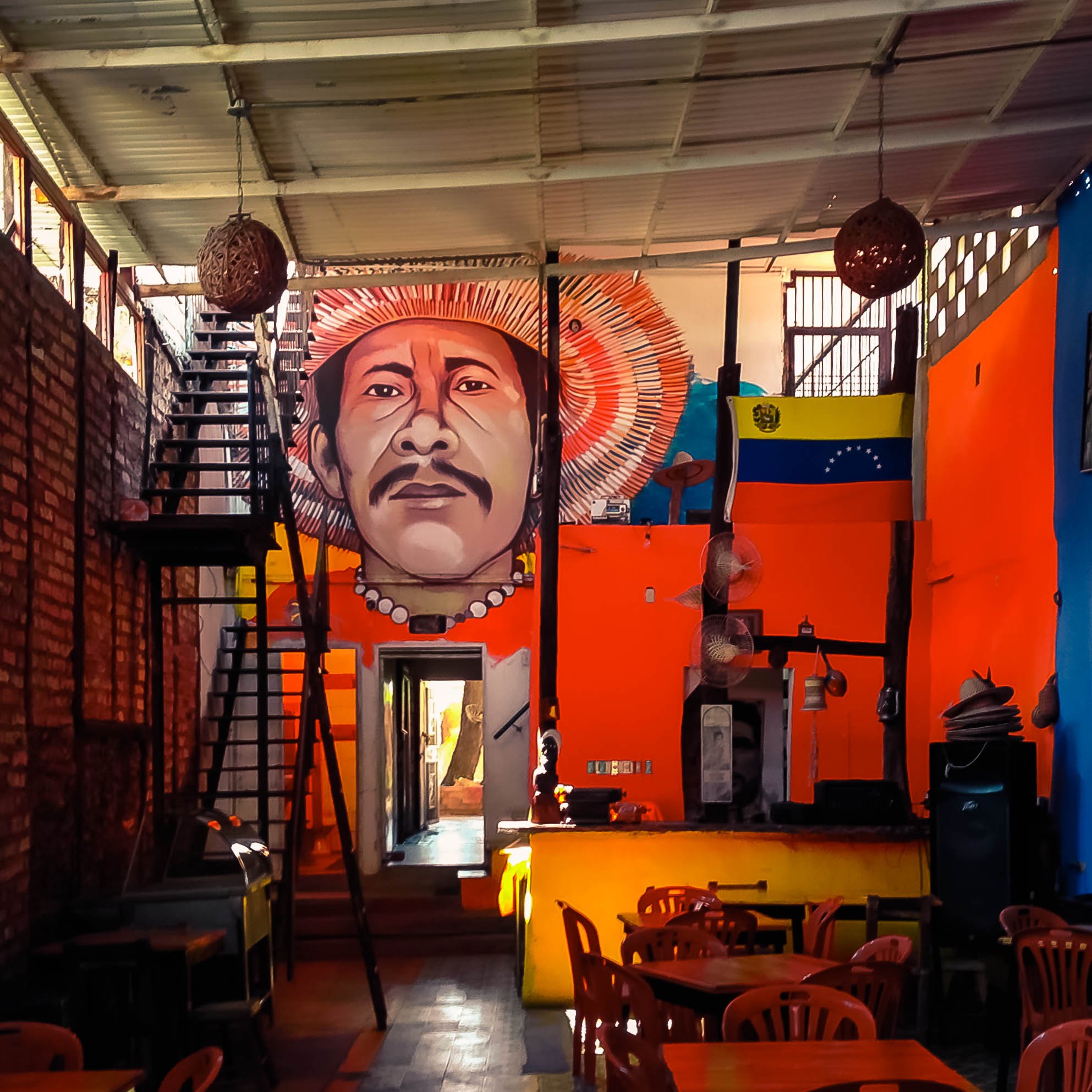
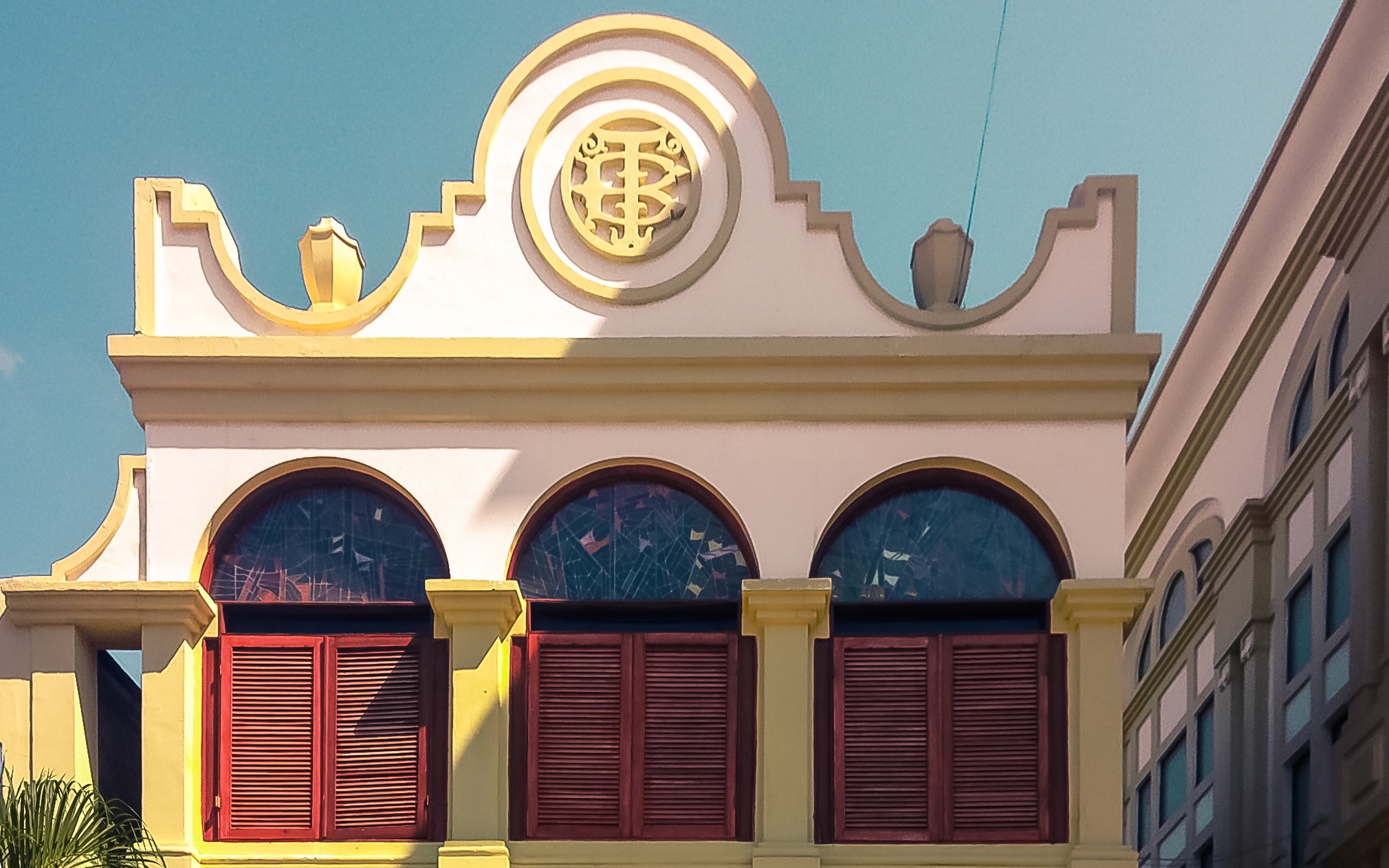
Maracaibo concentrates one of the most complex and dense cultural structures in Latin America. Its identity is built upon a deep intersection of indigenous ethnic groups from the Lake Maracaibo basin, an early foundation linked to German settlers (Neu Nürnberg, Klein-Venedig / New Nurenberg, Little Venice), a long Spanish colonial period, successive waves of European, Arab and Asian immigrants, and the powerful American influence derived from the oil industry from the mid-twentieth century onward. This superposition of historical and demographic layers produced an extremely rich city in cultural, gastronomic and technological exchanges: electric lighting, the tramway, cinema, balloon flights and many other innovations entered Venezuela precisely through this port.
Geographically, Maracaibo occupies a privileged position: it sits at the northern mouth of Lake Maracaibo into the Caribbean Sea and for centuries functioned as the great maritime highway and the main exit port for the northern Andean region (shared between Venezuela and Colombia). This condition as a node of commercial and intercultural exchange turned Maracaibo—especially its historic center—into a nerve center for the entire region.
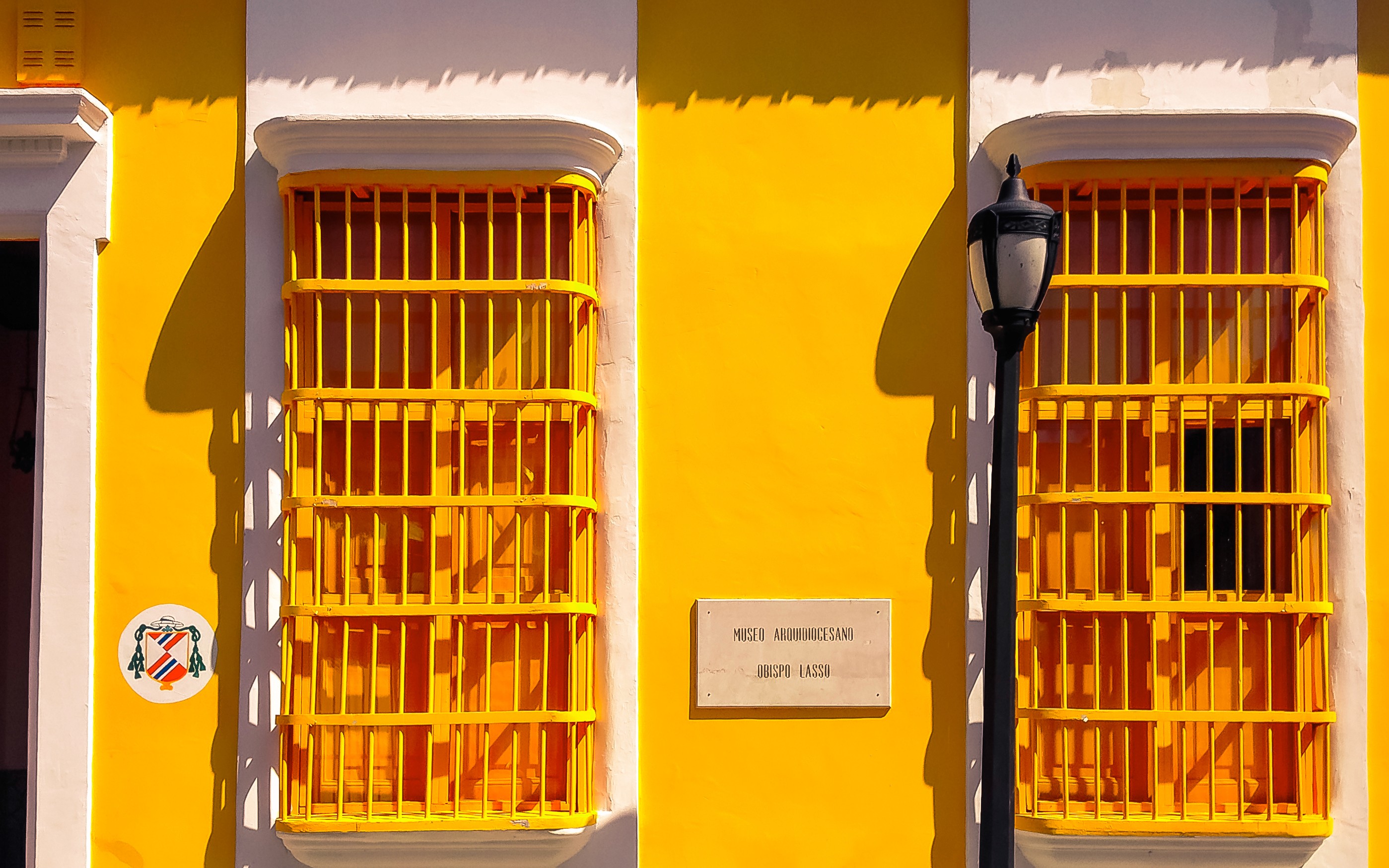
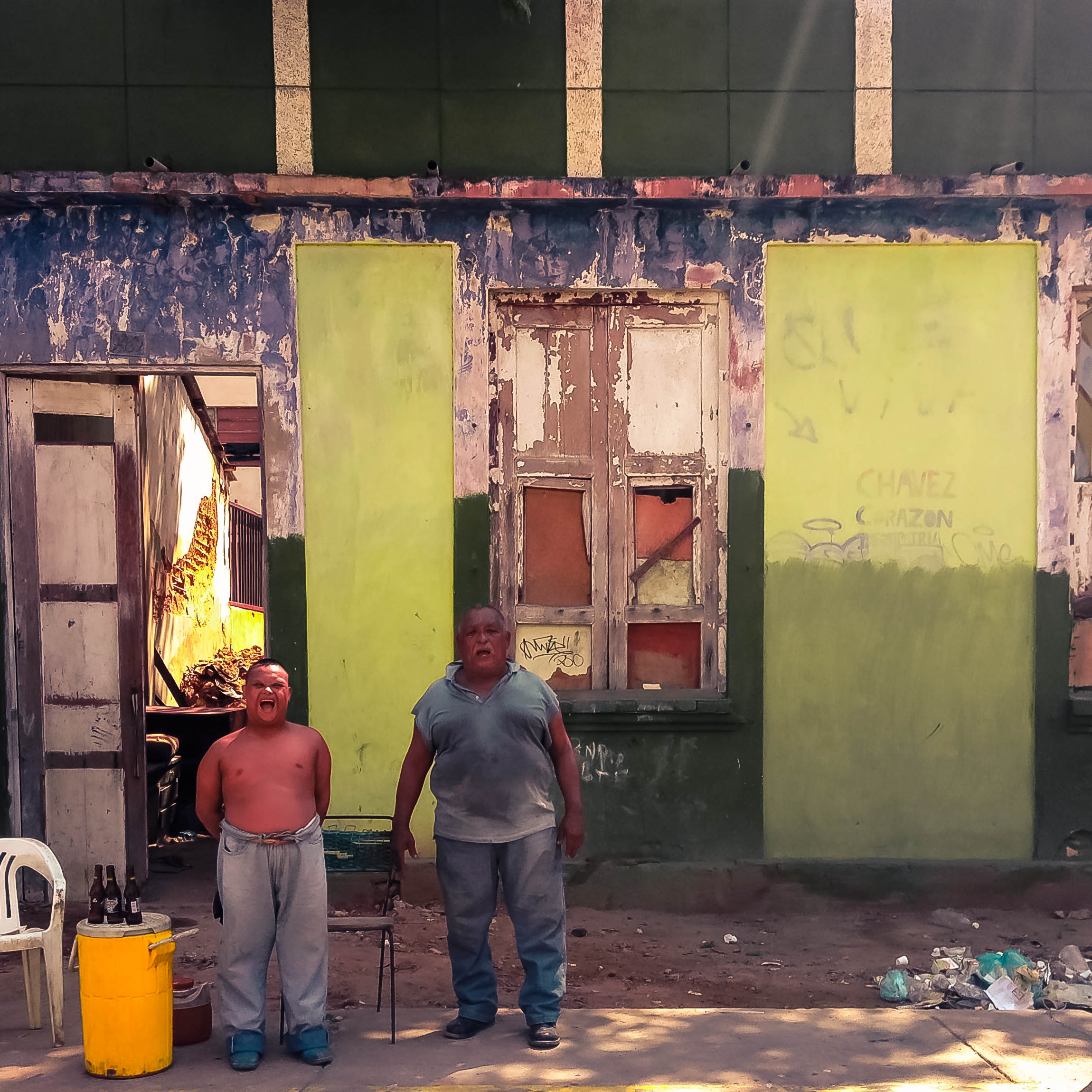
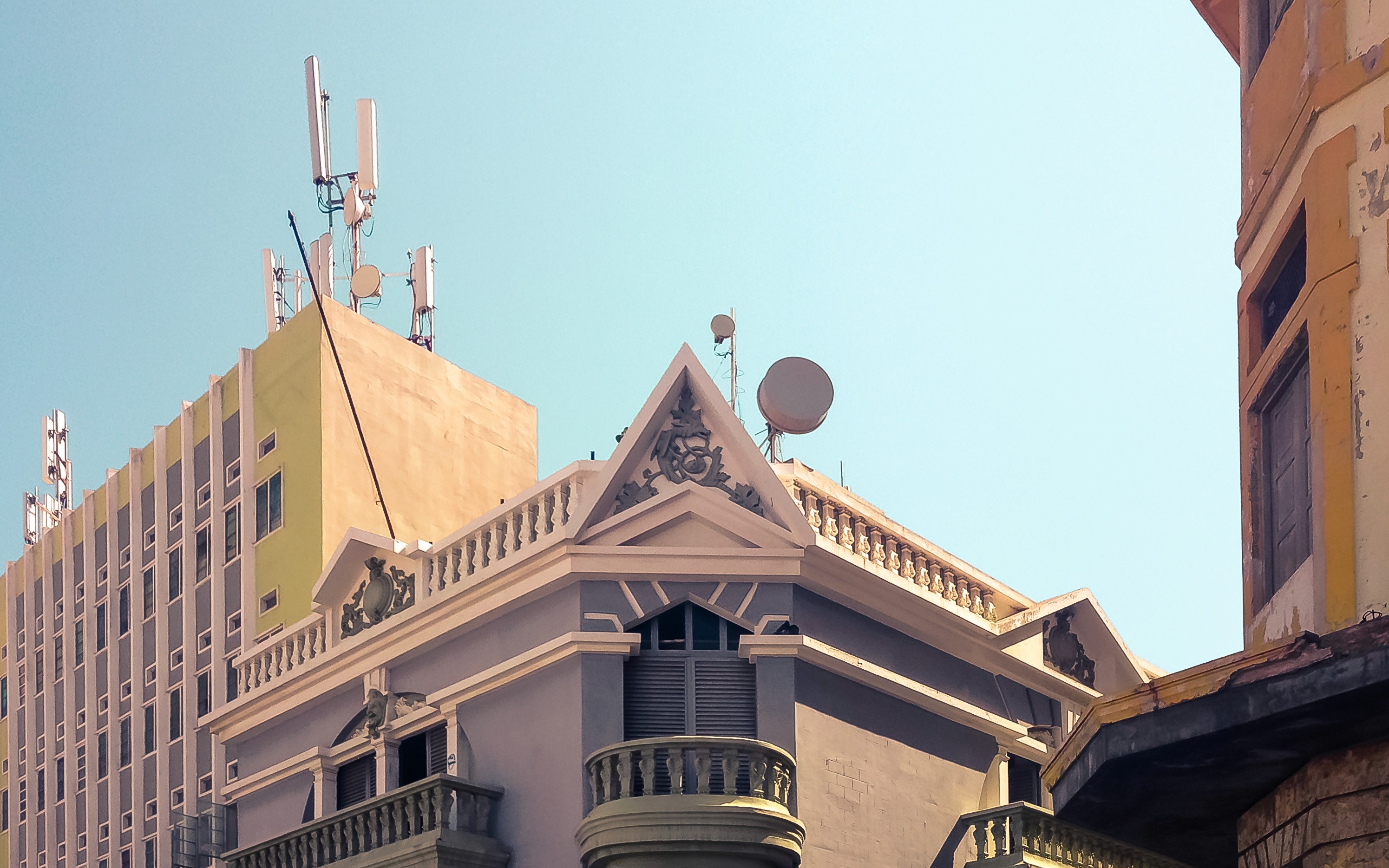
Nevertheless, despite this exceptional symbolic and heritage capital, the historic center today presents a state of advanced deterioration, impoverishment and functional collapse. Far from operating as a tourist-recreational hub of regional scale, the area is avoided by a large part of the citizenry due to its chaotic, polluted and degraded condition. This contradiction constituted the starting point of the research:
Why is the historic center of Maracaibo, being the core of one of the richest urban cultures on the continent, in a permanent state of collapse?
Methodology
The work was developed through three complementary layers of knowledge production:
Systematic urban analysis Analysis of the historic center, with special attention to morphology, land uses, the condition of the buildings and the occupation of public space.
Historical walks and territorial reading Several walking tours carried out together with students from the Architecture and Heritage chair of Universidad Rafael Urdaneta (under the direction of architect Aleksie García). These tours made it possible to understand the historical morphology, citizens’ behavior in public space, the logic of modal transport exchanges and the evolution of the public transport system over time.
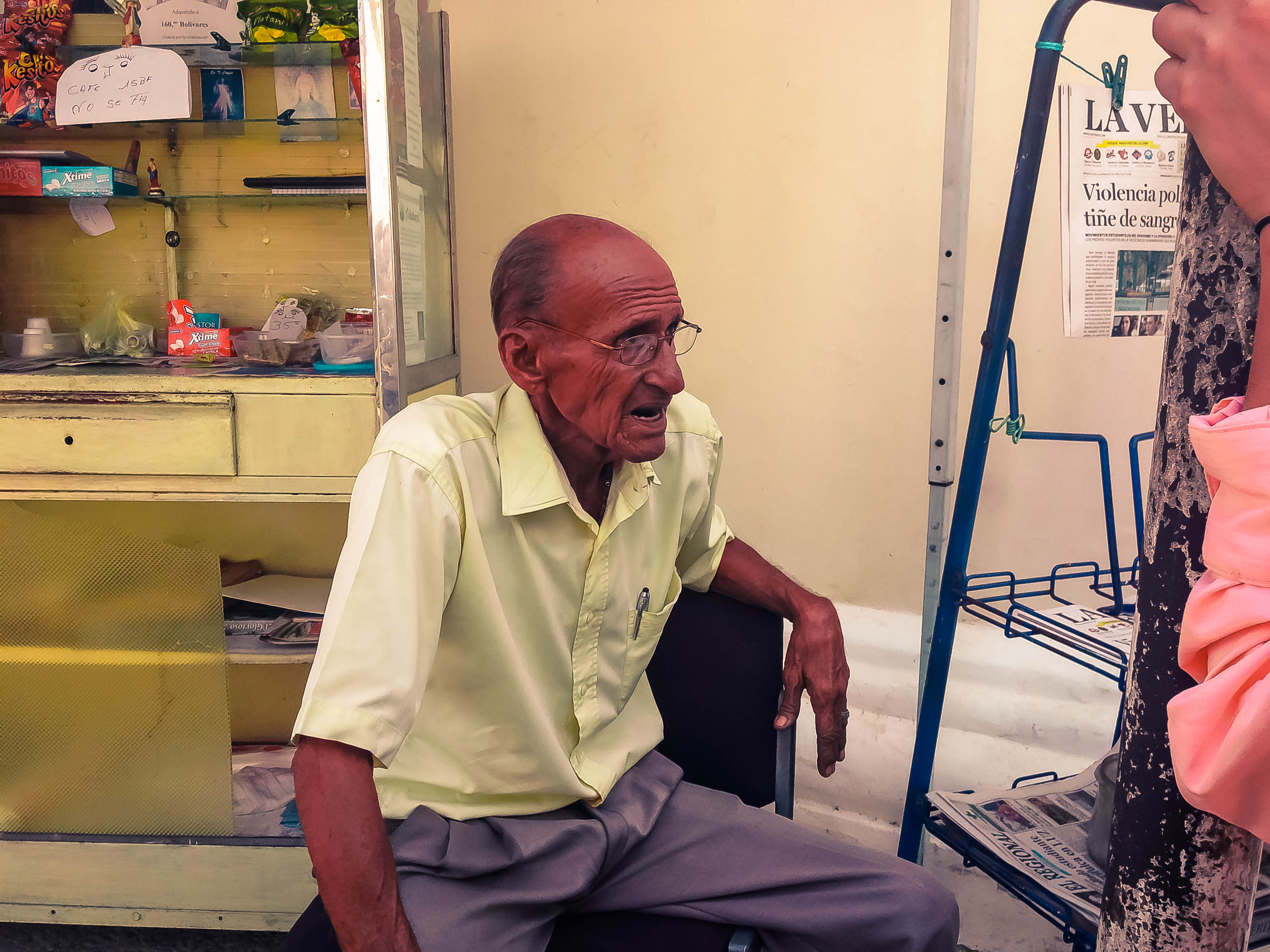
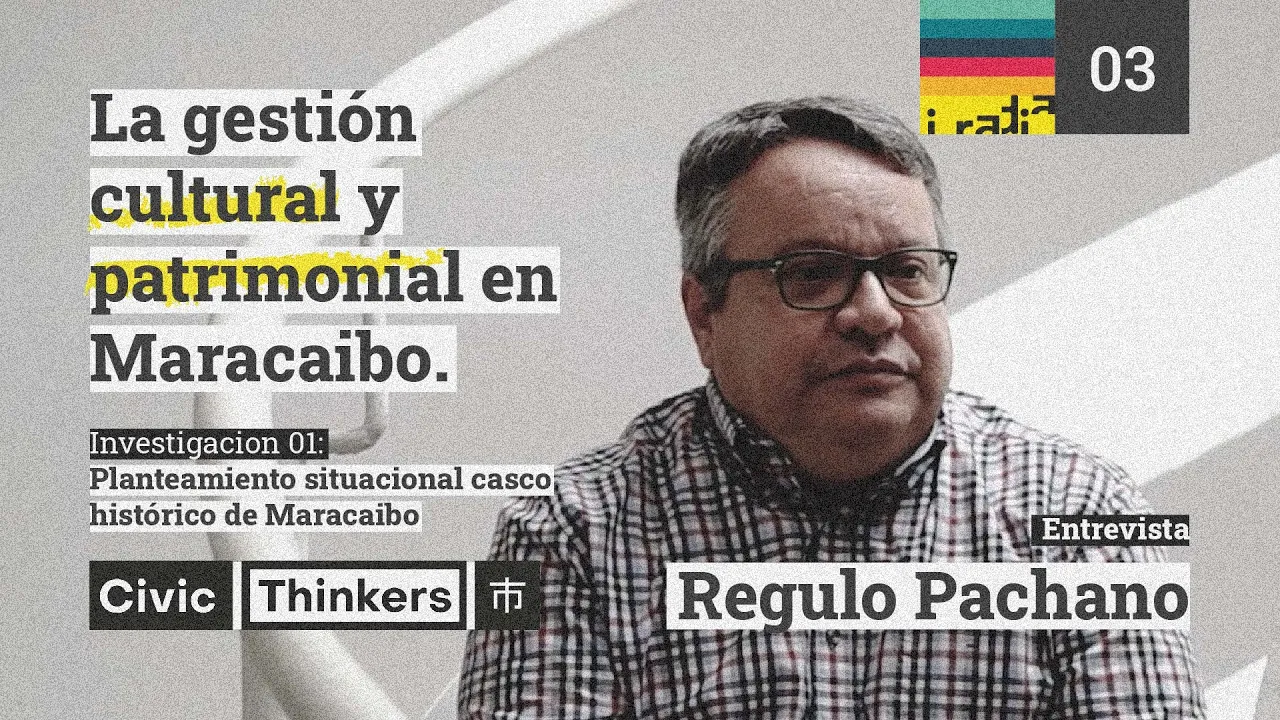
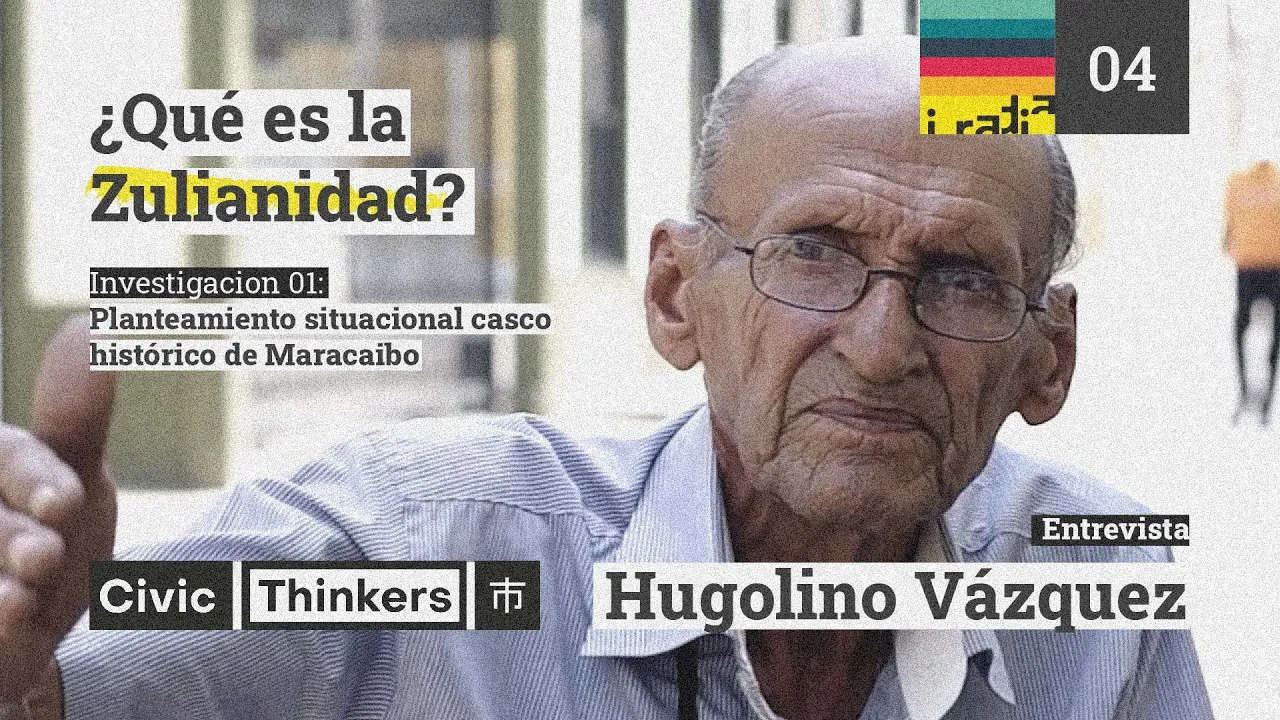
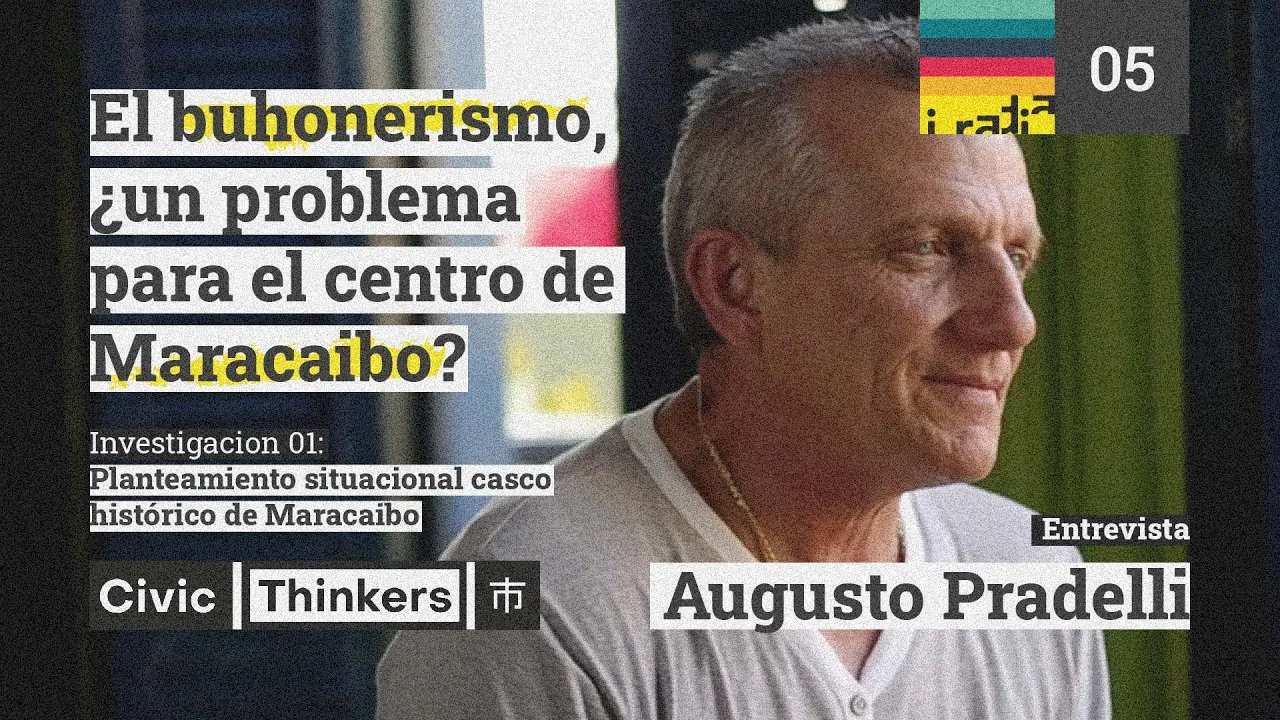
In-depth interviews Conversations with permanent residents of the area, historical merchants, institutional representatives and political actors linked to the center. These interviews corroborated and nuanced the hypotheses derived from the spatial analysis.
Key Findings
The analysis revealed that the structural problem was not solely one of heritage conservation or political will, but of the configuration of urban mobility. Maracaibo grew in a predominantly radial manner: the great majority of road infrastructures and, above all, of public transport routes terminate or transfer in the historic center. Any north–south or east–west journey obliges one to pass through or stop in the center.
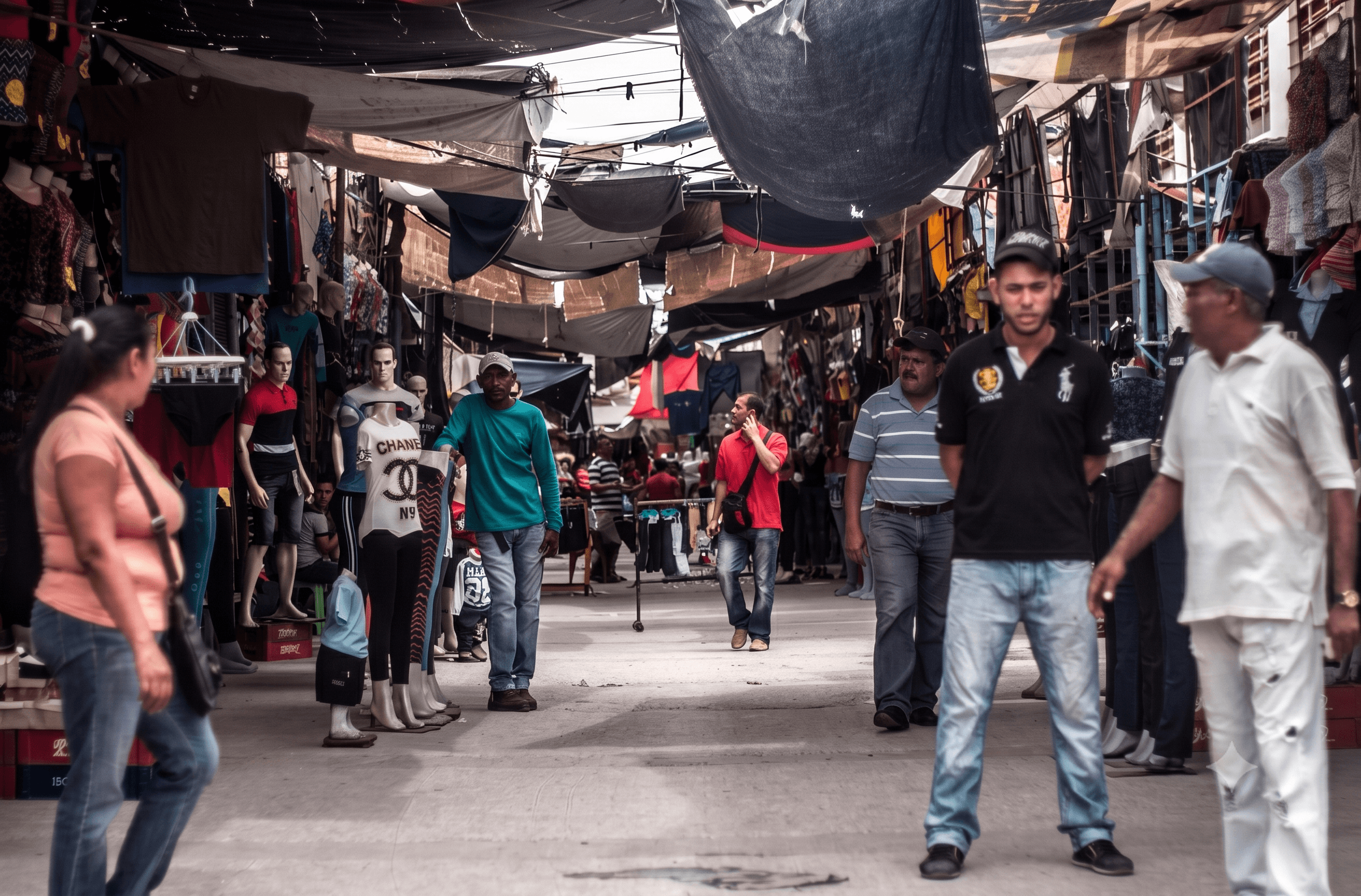
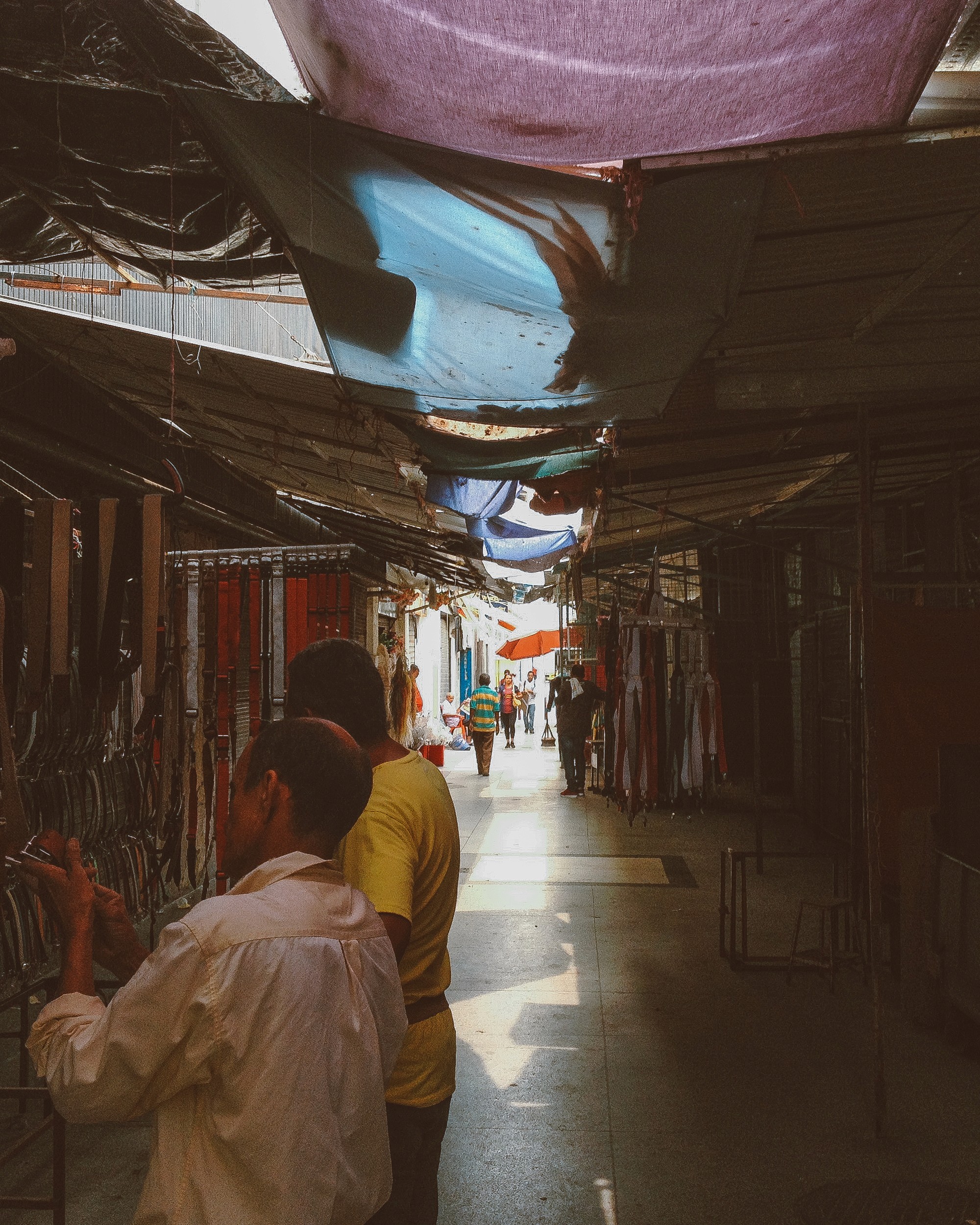
This condition turns the historic center into the city’s principal transfer node. The high volume of people alighting from and boarding public transport units generates an ideal environment for opportunity commerce—mainly retail and informal. Informal commerce has ended up occupying streets, sidewalks and a large part of the heritage buildings, displacing cultural, residential and tourist uses, and accelerating the physical and symbolic deterioration of the area.
In synthesis: the historic center is not deteriorated despite its centrality, but precisely because of its forced centrality within the city’s mobility system.
Proposal
Once the thesis was corroborated, the work argued that any serious heritage recovery strategy had to start from an effective decentralization of public transport lines outside the historic perimeter.
The operative suggestion was:
To take advantage of the existing and under-construction ring roads (Circunvalación I, II and III) in order to create direct south–north and east–west lines that do not cross the historic center.
To displace the terminals and route endpoints toward the west of the historic center, beyond Avenida Delicias, into a non-heritage zone close to the passenger terminal.
To free the historic center completely of mass public transport routes.
This measure would generate a spontaneous (and necessary) displacement of informal and opportunity commerce toward the new transfer node, thereby liberating the heritage space. Only after that structural liberation would it become viable to implement a comprehensive recovery plan through the Centro Rafael Urdaneta (CRU) or equivalent bodies, oriented toward the cultural, tourist and residential reactivation of the area.
Documentation and Legacy
The entire research was recorded through walking-tour videos, complete interviews and urban analysis documents. The project was not limited to a diagnosis: it produced a clear reading of the causal relationship between mobility, informal economy and heritage deterioration, and offered an urban-scale intervention strategy that remains relevant for any contemporary discussion on the recovery of historic centers in intermediate cities of Latin America.
This work forms part of Civic Thinkers’ research line on urban resilience, the decentralization of forced centralities, and the recovery of living heritages in the Global South.
[Other works
S.2]

